
Golf Solitaire Strategy
Strong play comes from comparing complete card runs, uncovering useful lower cards, and saving the one-pass stock for positions with no legal move.
Four things not to lose in the midgame
Check All Seven Columns
A longer run may begin in a column you have not used yet.
Uncover Lower Cards
When two routes are legal, favor the one that reveals more of the table.
Compare Route Endpoints
The best run is the one that leaves a useful next card, not always the longest immediate sequence.
Conserve the Stock
Play every useful exposed card before spending the next stock card.
Ask these four when the hand tightens
When should I draw from the stock?
Draw only after checking all seven exposed cards and confirming that none can play on the waste.
Should I always take the longest available run?
No. A shorter run may uncover a better card or leave a more useful endpoint.
Do suits matter in Golf Solitaire?
No. Only rank matters, so red and black cards can be played together.
Can Ace connect to King?
No. Ace plays only with 2, and King plays only with Queen.
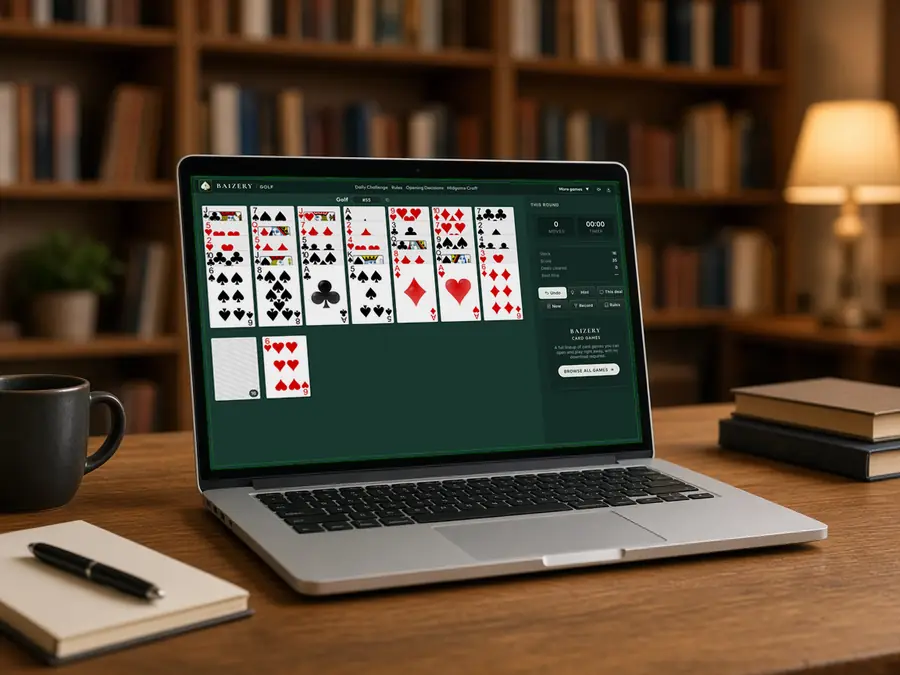
The Stock Sets the Limit
The stock runs once. Every unnecessary draw removes a future option.
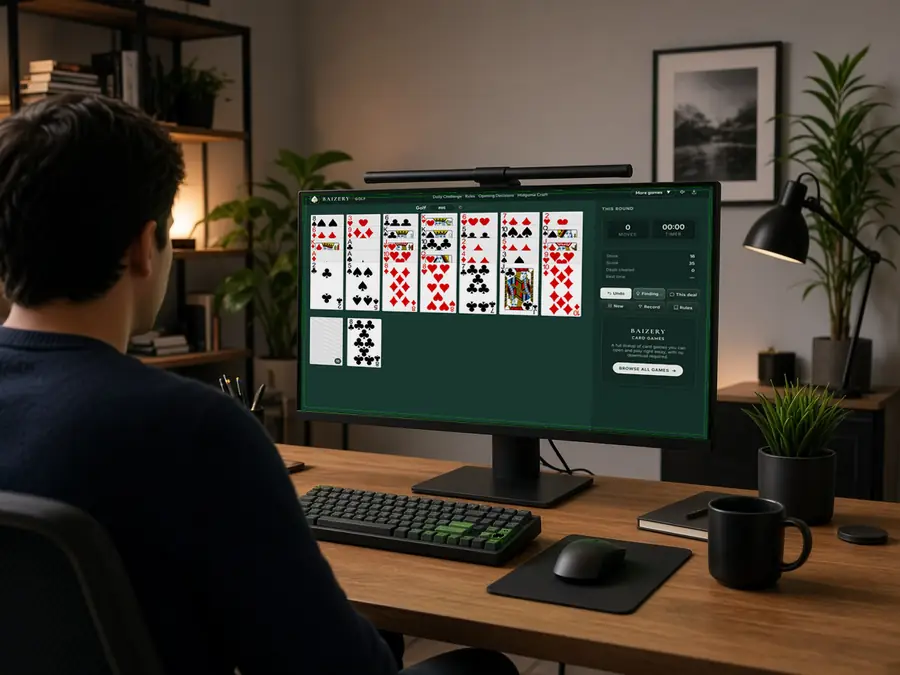
Endpoints Decide the Route
Look beyond the first sequence and ask which exposed card can continue from its last rank.
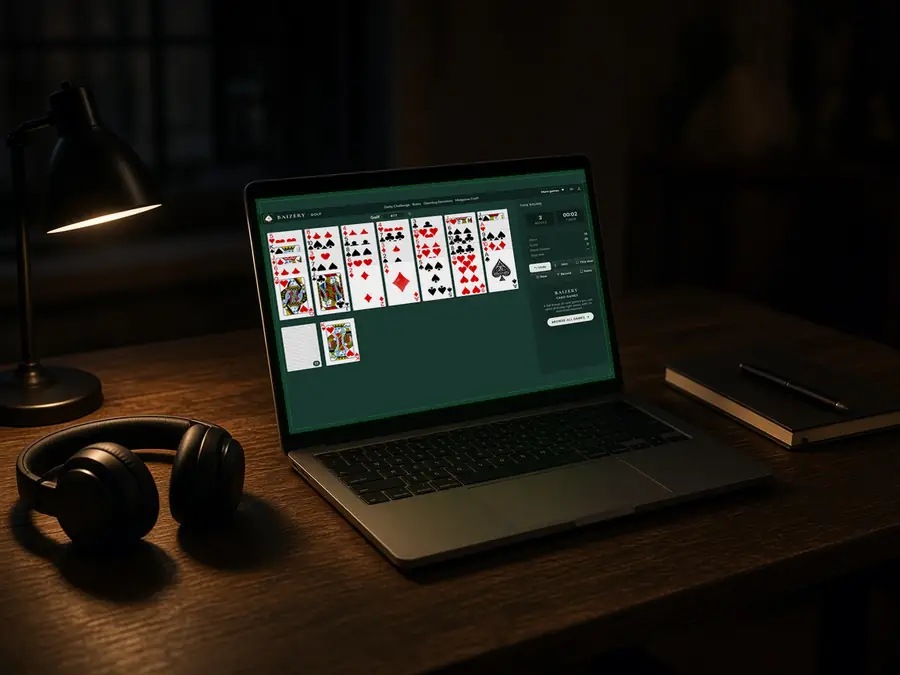
Uncover Cards With Purpose
Clearing a surface card matters most when the card below can join the current or next run.
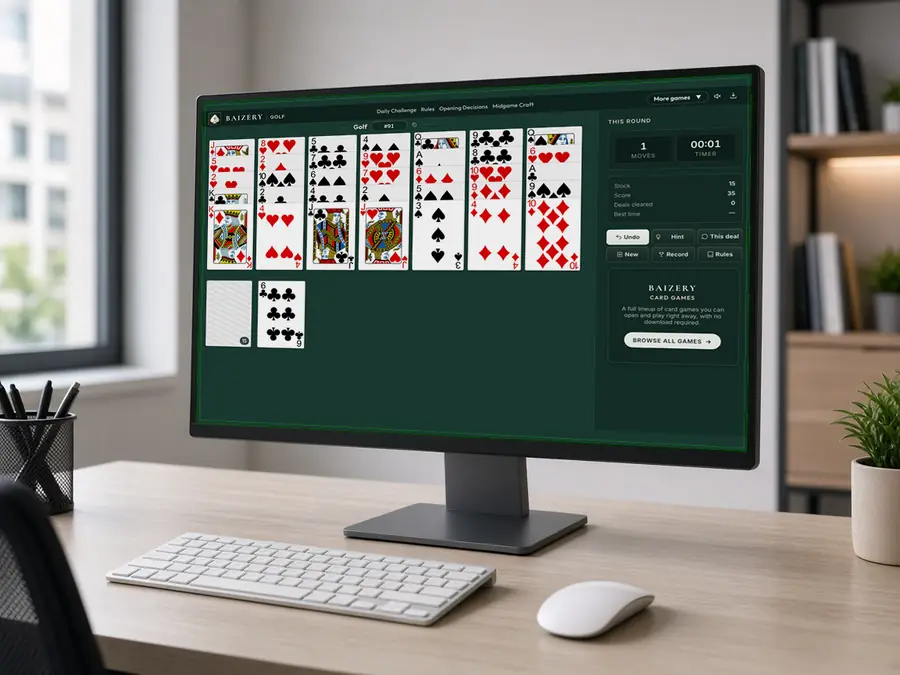
Use Undo to Test a Branch
On a numbered deal, compare both legal routes and replay the stronger sequence.
Midgame FAQ
Why can a deal stall while cards remain on the table?
A weak route can leave the waste at a rank that matches none of the exposed cards, while the stock may not contain enough help.
How can I tell whether a run is worth taking?
A useful run removes several cards, uncovers lower cards, or ends beside another exposed rank that can continue it.
Why does the hand feel tighter after a long run?
The waste may sit on Ace or King without a matching 2 or Queen, or you may have spent stock cards before uncovering useful lower cards.
When should I ignore a legal move?
Ignore it when another legal route uncovers more cards or leaves a better endpoint for the next sequence.
Can Hint replace midgame judgment?
No. Hint marks a legal move in the current layout. It does not replace comparing routes, stock timing, or Ace and King planning.
What is the fastest way to recover a tight hand?
Undo to the last branch where two routes were still legal, or replay the same deal number and try the other line.
Bring it back to the game
One habit under pressure
Before each draw, check all seven columns. If an exposed card can extend the run, play it before spending another stock card.
Related reads
If recycling or King-space rules still feel vague, revisit the rules, then go back home and practice one midgame idea at a time.
